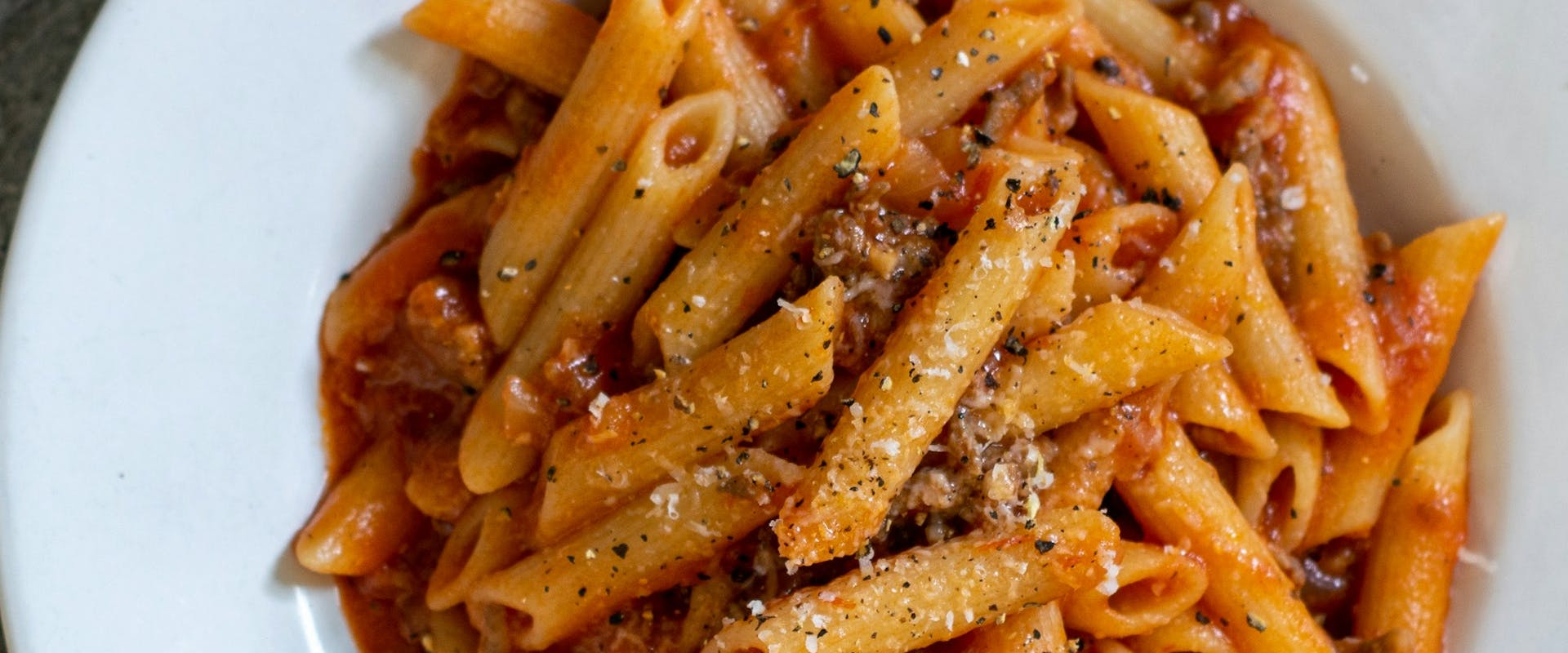

Homemade Pasta in Rome: Mastering Cacio e Pepe and Carbonara Like a Roman Nonna
In a cramped kitchen in Trastevere, Nonna Lucia's hands moved with the certainty of 60 years of practice. The mound of flour on her wooden board held a well of eggs in its center, and with just a fork and those weathered hands, she began transforming simple ingredients into fresh pasta.
"No machine," she said firmly in Italian, waving away my suggestion. "Your hands know when the dough is ready. A machine cannot feel."
The Soul of Roman Pasta Culture
Roman pasta isn't about complexity—it's about perfection through simplicity. The city's four classic pasta dishes (cacio e pepe, carbonara, amatriciana, and gricia) use no more than five ingredients each. This minimalism demands that every element be flawless.
In Rome, pasta-making is a family inheritance. Recipes aren't written down; they're learned by watching, feeling, tasting. The proper technique for emulsifying pecorino into pasta water isn't something you read—it's something a grandmother shows you while scolding you for adding the cheese too quickly.
Fresh Pasta: The Foundation of Everything
The Basic Pasta Dough Recipe
Roman fresh pasta uses a simple ratio that every nonna knows by heart:
Ingredients:
- 100g "00" flour per person (plus extra for dusting)
- 1 large egg per person
- Pinch of salt
The hand-kneading technique:
Nonna Lucia taught me the "well method"—create a volcano of flour on your work surface, crack eggs into the center, and slowly incorporate flour from the inner walls using a fork. Once it forms a shaggy mass, begin kneading.
The kneading takes 10-15 minutes of consistent work. You're developing gluten structure while maintaining the dough's silky texture. The dough is ready when it springs back slowly when pressed with a finger—not too elastic, not too soft.
Resting is mandatory: Wrap in plastic and rest for at least 30 minutes at room temperature. This allows the gluten to relax and makes rolling infinitely easier.
Cacio e Pepe: Rome's Three-Ingredient Masterpiece
Cacio e pepe (literally "cheese and pepper") is the minimalist's dream and the beginner's nightmare. Three ingredients, countless ways to mess it up.
The Traditional Cacio e Pepe Method
Ingredients (for 2 people):
- 200g tonnarelli or spaghetti
- 100g Pecorino Romano DOP, finely grated
- 2 teaspoons freshly ground black pepper
- Pasta cooking water
The technique that changes everything:
The secret isn't in the ingredients—it's in the temperature and timing. Pecorino seizes and becomes grainy if it hits hot pasta directly. The Roman solution? Create an emulsion.
Toast the black pepper in a large pan until fragrant (about 1 minute). Add a ladle of pasta water to stop the cooking. Meanwhile, in a bowl, mix grated pecorino with just enough lukewarm pasta water to create a creamy paste—it should look like thick custard.
When the pasta is 1 minute from al dente, transfer it to the pepper pan using tongs (bring some pasta water with it). Add the pecorino mixture off the heat, tossing constantly. The residual heat and pasta water create a silky sauce that coats each strand.
Love French comfort food? Discover another simple classic in our French Onion Soup Recipe.
Carbonara: The Most Misunderstood Roman Dish
Carbonara has been bastardized worldwide with cream, peas, chicken—crimes against Roman culinary tradition. Authentic carbonara is egg, guanciale, pecorino, and black pepper. That's it.
Authentic Carbonara Recipe
Ingredients (for 2 people):
- 200g rigatoni or spaghetti
- 100g guanciale (cured pork jowl), cut into small strips
- 2 whole eggs plus 2 egg yolks
- 60g Pecorino Romano DOP, finely grated
- Freshly ground black pepper
The critical technique:
The egg mixture must create a creamy sauce, not scrambled eggs. This requires precise temperature control.
Render the guanciale in a cold pan over medium heat until the fat is translucent and edges are golden (about 5-7 minutes). Remove from heat.
Whisk eggs, yolks, pecorino, and generous black pepper in a bowl. When pasta is al dente, drain (reserving water) and add to the guanciale pan OFF THE HEAT. Let it cool for 30 seconds.
Add the egg mixture and toss vigorously. The residual heat cooks the eggs gently, creating a silky coating. Add splashes of pasta water if needed to maintain creaminess.
Temperature is everything: Too hot = scrambled eggs. Too cold = raw eggs. The sweet spot is around 60-65°C—warm enough to thicken eggs without curdling them.
The Pecorino Romano Difference
Not all pecorino is created equal. Look for "Pecorino Romano DOP" stamped on the rind—this ensures it's produced in Lazio, Sardinia, or Grosseto following traditional methods.
Roman pecorino is sharp, salty, and slightly crystalline—aged for at least 5 months. The flavor is assertive enough to stand up to black pepper and guanciale fat. Parmigiano-Reggiano is not a substitute; it's too mild and sweet for Roman pasta.
Best Places to Learn Pasta in Rome
Cooking Classes with Nonnas
Several organizations connect travelers with real Roman grandmothers for hands-on pasta lessons:
Nonna Betta's Kitchen in the Jewish Ghetto - Learn ancient Roman-Jewish pasta traditions, including carciofi alla giudia and pasta with anchovies.
Trastevere Cooking Schools - Small-group classes in home kitchens where you'll make pasta from scratch and sit down for family-style meals.
Testaccio Market Classes - Start with a market tour for ingredients, then return to a nearby kitchen for preparation.
Market shopping tips? See how to navigate Barcelona's La Boqueria Market like a local.
Common Pasta-Making Mistakes to Avoid
❌ Using pre-grated cheese - It contains anti-caking agents that prevent proper melting ❌ Adding oil to pasta water - This prevents sauce from adhering to the pasta ❌ Rinsing cooked pasta - You wash away the starch needed for emulsification ❌ Making the pan too hot - Cheese and eggs need gentle heat ❌ Forgetting to reserve pasta water - This starchy liquid is essential for creating creamy sauces
Tools Every Home Pasta Maker Needs
Roman nonnas need surprisingly little equipment:
- Large wooden board - Provides texture for kneading and rolling
- Bench scraper - For cutting dough and cleaning your surface
- Rolling pin (mattarello) - A long, smooth pin without handles
- Fine-tooth grater - For pecorino (never use a box grater's large holes)
- Large pot - Pasta needs lots of water to cook properly
- Tongs - For transferring pasta directly from pot to pan
Notice what's missing? No pasta machine, no special cutters, no gadgets. Just hands, wood, and metal.
The Ritual of Sunday Pasta
In Rome, Sunday lunch is sacred. Families gather, and fresh pasta is made—not from necessity but from tradition. The younger generation watches the older one, learning through osmosis.
Nonna Lucia's kitchen filled with extended family every Sunday. Children rolled small pieces of dough into gnocchi while adults prepared sauces. The air smelled of tomato, guanciale, and fresh basil.
"This is how we stay connected," she explained. "Every time my granddaughter makes carbonara, she remembers standing next to me at this stove. Food is memory."
Another noodle tradition? Explore how Tokyo masters broth and noodles in our Tokyo Ramen Guide.
Bringing Roman Pasta Home
You don't need a Roman kitchen or Italian grandparents to make authentic pasta. You need patience, quality ingredients, and respect for the process.
Start with cacio e pepe—three ingredients mean there's nowhere to hide mistakes. Master the emulsion technique. Feel the dough transform under your hands. Understand why the pasta water is called "liquid gold" in Roman kitchens.
The first attempt might clump. The second might be too dry. But by the fifth or sixth, your hands will remember what Nonna Lucia's have known for decades.
That's when you'll understand why Romans don't measure ingredients. Why they can feel when the dough is right. Why they'd never dream of using cream in carbonara.
Because once you've tasted pasta made with your own hands—simple ingredients transformed through technique and time—there's no going back to mediocrity.
The best carbonara isn't in a restaurant. It's in your own kitchen, made with hands that are learning an ancient rhythm, one toss at a time.