
Ceviche Chronicles: Peru's Raw Fish Revolution That Conquered the World
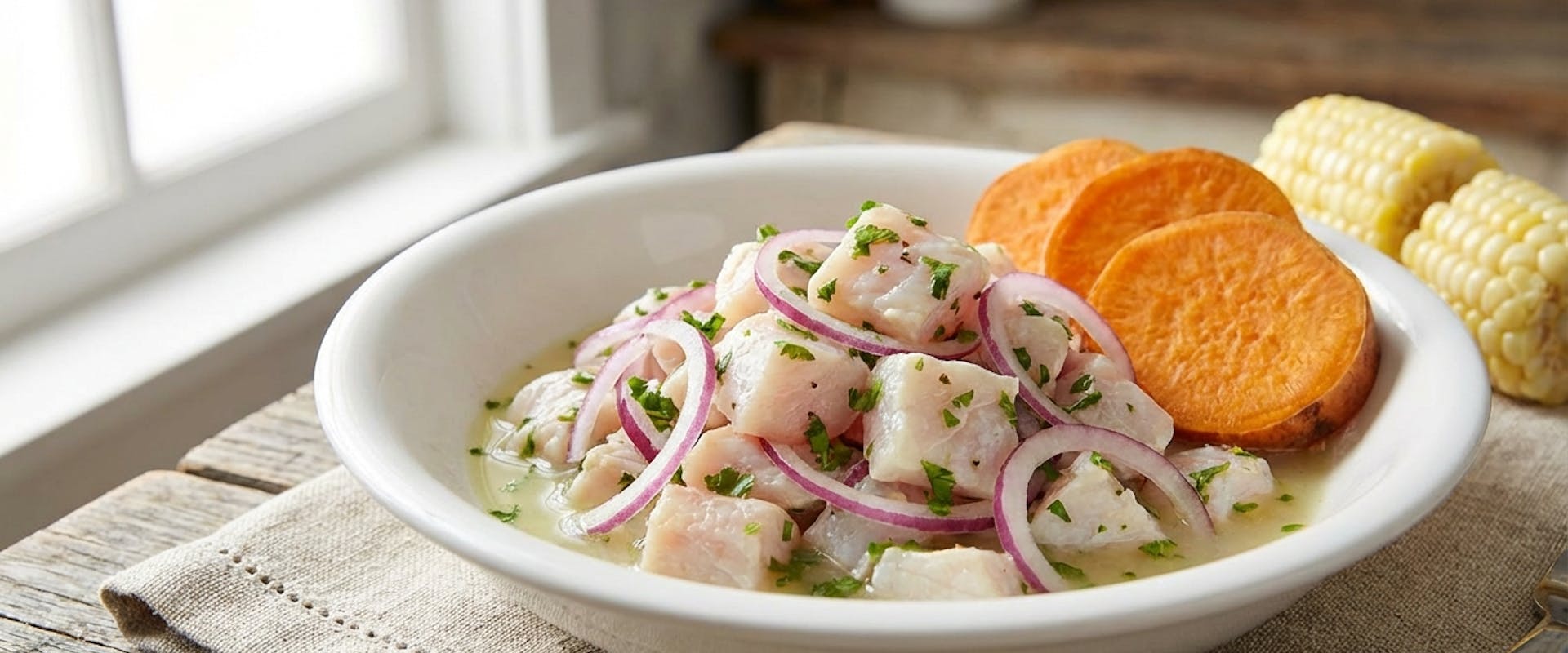
The clock strikes 11 AM in Lima's Miraflores district, and the cevicherías are already packed. This isn't lunch hour—it's ceviche hour, that sacred window when Peru's national dish must be consumed. Fresh fish that swam this morning now sits "cooked" in lime juice, glistening with ají amarillo and crowned with sweet potato and crunchy corn. This is ceviche at its source, and it tastes like the Pacific Ocean concentrated into a single, explosive bite.
The Birth of a Legend
Ceviche's origins spark fierce debate among food historians. Some trace it to the ancient Moche civilization, who marinated fish in fermented passion fruit juice over 2,000 years ago. Others credit the Spanish conquistadors, who brought citrus fruits from Europe in the 16th century. The Japanese-Peruvian (Nikkei) community claims a role too, introducing precision knife skills and the concept of serving fish raw.
The truth? Ceviche is a beautiful mestizo dish—a fusion of indigenous technique, Spanish ingredients, and Japanese refinement that became uniquely, undeniably Peruvian.
"Ceviche is Peru," declares Chef Javier Wong of the legendary hole-in-the-wall Chez Wong. "Everything we are—our ocean, our citrus, our chili peppers, our history—it's all in this bowl."
The Science of "Cooking" Without Heat
Ceviche works through acid denaturation. When fish proteins meet citrus acid, their molecular structure changes—the flesh turns opaque, firms up, and develops a cooked texture without applying heat. But here's where Peruvian ceviche breaks from other Latin American versions: it's barely "cooked" at all.
The Five-Minute Rule
In Peru, fish marinates for five to ten minutes maximum. Sometimes just seconds. The goal isn't to fully denature the protein but to kiss it with acid, leaving the center translucent and silky. This requires fish so fresh it's practically still swimming—hence the morning ceviche tradition, when the catch is mere hours old.
Contrast this with Mexican or Ecuadorian ceviche, where fish might marinate for hours or even overnight. Different philosophies, equally valid, but Peruvians insist their way captures the fish's true essence.
The Essential Components
The Fish: Freshness Is Everything
Peruvian ceviche traditionally uses white-fleshed fish with firm texture and mild flavor:
Corvina (sea bass) - The gold standard. Firm, sweet, forgiving.
Lenguado (sole) - Delicate and prized, for special occasions.
Mero (grouper) - Meaty texture, stands up well to acid.
Caballa (mackerel) - Rich and oily, less traditional but increasingly popular.
The fish must be sushi-grade fresh. If it smells fishy, it's already too old. Look for clear eyes, bright red gills, and flesh that springs back when pressed.
Leche de Tigre: The Magic Elixir
The marinade—leche de tigre (tiger's milk)—is where ceviche alchemy happens. At its simplest, it's lime juice, salt, and chili. But master cevicheros build complex flavor bases:
Key lime juice - The small, intensely sour limón sutil, not the larger Persian limes common in North America. The flavor difference is profound.
Ají amarillo paste - Peru's fruity, medium-heat yellow chili pepper. This is non-negotiable.
Ají limo - A spicier chili option, used sparingly.
Fish stock - Some chefs add stock made from fish bones for umami depth.
Garlic - Fresh, finely minced, adding pungent kick.
Ginger - A Nikkei influence, adding subtle warmth.
The leche de tigre itself becomes a prized byproduct. In Lima, people order it by the glass—a hangover cure, aphrodisiac, and morning pick-me-up all in one.
The Supporting Cast
Red onion - Sliced paper-thin, soaked briefly in ice water to remove harshness.
Cilantro - Chopped generously, adding fresh herbaceous notes.
Sweet potato - Steamed until tender, adding sweetness that balances the acid.
Choclo - Giant Peruvian corn kernels, boiled until starchy and slightly chewy.
Cancha - Toasted corn nuts providing addictive crunch.
Lettuce - A crisp leaf underneath the fish, both plate and palate cleanser.
Regional Variations Across Peru
Lima Style: Classic Purity
Lima ceviche emphasizes simplicity and balance. Fish, lime, chili, onion, cilantro—nothing more. The focus stays on showcasing the fish's quality.
Northern Coast: Bold and Spicy
In Piura and Tumbes, ceviche runs hotter and more pungent. Extra ají limo brings heat, and portions are generous. The leche de tigre often includes more garlic and ginger.
Arequipa: The Black Ceviche
Ceviche with squid ink—striking black color, briny ocean flavor intensified. Often mixed with octopus or squid for chewy texture contrast.
Amazonian Twist
In Iquitos, river fish like paiche (Amazonian arapaima) replaces ocean fish, and exotic jungle fruits—camu camu, cocona—provide the acid instead of lime.
The Cevichería Experience
Timing Is Everything
Peruvians are religious about ceviche timing. Noon is ideal. After 3 PM, you'll find many cevicherías closed. The morning fish is gone, and self-respecting establishments won't serve yesterday's catch.
This creates a beautiful ritual: the midday ceviche break, when businesspeople, construction workers, and grandmothers all converge on their favorite spot.
The Order of Operations
At a proper cevichería, you'll be asked: "Clásico o mixto?" (Classic fish or mixed seafood?)
The classic arrives first—pure white fish glistening in leche de tigre. You might order a mixto next, adding octopus, squid, and shrimp to the mix.
A cold beer (Cusqueña or Cristal) arrives unbidden. Inca Kola for the brave. Chicha morada (purple corn drink) for the traditional.
You eat quickly. Ceviche is meant to be consumed immediately, before the acid over-cooks the fish and before the components separate.
Making Authentic Ceviche at Home
Peruvian-Style Corvina Ceviche (Serves 4)
Ingredients:
For the fish:
- 1 lb sushi-grade white fish (sea bass, halibut, or snapper), cut into 1/2-inch cubes
- 1 cup fresh key lime juice (about 15-20 limes)
- 1-2 tablespoons ají amarillo paste
- 1-inch piece fresh ginger, peeled and minced
- 2 cloves garlic, minced
- 1/2 red onion, sliced paper-thin
- 1/4 cup fresh cilantro, roughly chopped
- Salt to taste
- Ice cubes
For serving:
- 2 medium sweet potatoes, boiled and sliced
- 1 cup cooked choclo (giant corn) or substitute with regular corn
- 1/2 cup cancha (toasted corn nuts)
- Lettuce leaves
- Lime wedges
Method:
Prepare the onions: Slice red onion as thin as possible. Place in a bowl of ice water with a pinch of salt. Let sit for 10 minutes to remove bitterness. Drain and pat dry.
Make the leche de tigre base: In a blender, combine 1/4 cup lime juice, ají amarillo paste, ginger, garlic, and a few ice cubes. Blend until smooth. Strain into a bowl and add remaining lime juice. Season with salt—it should taste quite salty, as it will season the fish.
Prepare the fish: Pat fish cubes completely dry with paper towels. Moisture dilutes the leche de tigre. Place fish in a non-reactive bowl (glass or ceramic).
The critical moment: Add the leche de tigre to the fish, along with the drained onions. Toss gently but thoroughly. Let sit for 5-7 minutes maximum, tossing once halfway through. The fish should turn opaque on the outside but remain translucent in the center.
Plate immediately: Place a lettuce leaf on each plate. Spoon ceviche on top, ensuring each serving gets plenty of leche de tigre. Add cilantro. Arrange sweet potato slices and corn alongside. Sprinkle with cancha. Serve with lime wedges.
Eat immediately. Ceviche waits for no one.
Pro Tips from Lima's Masters
Don't over-marinate: The number one mistake. Five minutes is plenty. Any longer and you'll end up with rubbery fish.
Keep everything cold: Work with chilled ingredients and serve in chilled bowls. Warmth speeds up the "cooking" process uncontrollably.
Cut uniform pieces: This ensures even marination. Aim for 1/2-inch cubes.
Dry the fish thoroughly: Excess water dilutes your carefully balanced leche de tigre.
Taste and adjust: The leche de tigre should be intensely flavored—salty, acidic, spicy. It needs to season the fish in minutes.
Use more lime than seems reasonable: Fresh citrus varies in acidity. When in doubt, add more juice.
Where to Eat Ceviche in Lima
Chez Wong
The legendary ten-seat restaurant in a residential neighborhood. Chef Javier Wong serves whatever fish arrived that morning. No menu, no choices, pure perfection. Reservations required days or weeks in advance.
La Mar
Gastón Acurio's celebration of traditional cevichería culture elevated to polished perfection. The clásico here is textbook, the atmosphere buzzing and democratic.
El Mercado
Rafael Osterling's market-inspired concept where ceviche changes daily based on the catch. Sit at the bar and watch the chefs work.
Pescados Capitales
A more experimental approach, where traditional ceviche meets creative presentations. The black ceviche with squid ink is stunning.
The Street Vendors of Chorrillos
For the adventurous: neighborhood cevicherías where fishermen eat alongside locals. No English, no fuss, just perfect fish at half the price of tourist spots.
The Ceviche Philosophy
What strikes me about ceviche is its essential honesty. There's nowhere to hide—no heavy sauce to mask inferior fish, no prolonged cooking to soften flaws. The fish must be impeccable. The lime must be fresh. The balance must be perfect.
This demands both courage and humility from the cook. Courage to serve fish that looks raw (because it essentially is). Humility to let the ingredients speak without manipulation.
At a corner cevichería in Lima's Barranco district, I watched an elderly woman prepare ceviche with the efficiency of fifty years' practice. Her movements were economical, her timing instinctive. No measuring, no hesitation.
"Ceviche teaches you to trust," she told me, squeezing limes with practiced hands. "Trust your ingredients. Trust your instincts. Trust that simple done perfectly beats complicated done well."
She handed me a bowl—corvina glistening in leche de tigre, sweet potato adding its gentle sweetness, the whole thing singing with acid and heat and the taste of the ocean at dawn.
I ate it standing at her counter, surrounded by locals doing the same, and understood something essential about Peruvian cuisine. It doesn't need to prove anything. It simply is what it is: honest, vibrant, alive.
That's the gift of ceviche—a reminder that sometimes the best cooking is barely cooking at all. Just impeccable ingredients, perfect timing, and the wisdom to get out of the way.
The fish knows what it wants to be. The lime knows its job. The chili knows its place. The cook just brings them together and lets the magic happen.
And it happens in five minutes or less. Because that's all perfection needs.